

 See My Latest Article on HelloNation
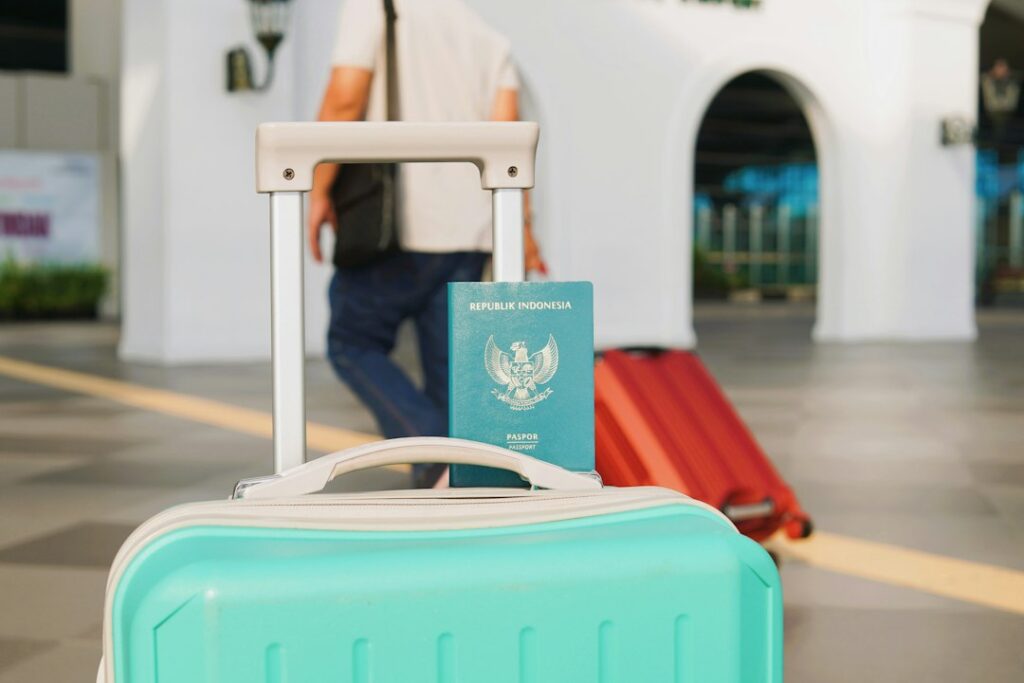
Traveling internationally alone can be rewarding, but it requires more planning than a domestic trip. A successful solo journey depends on preparation, realistic scheduling, secure document handling, and a plan for communicating if something goes wrong.
For residents of Kansas City, MO, the trip usually begins with a longer domestic connection before reaching an international destination. That makes it especially useful to plan for airport time, weather disruptions, changing time zones, and the possibility of an overnight stay during a delayed itinerary.
How should a first solo international trip be planned?
Choose a manageable destination, limit the number of stops, and build extra time into the schedule. A simple itinerary is generally safer and less stressful than trying to cover several countries in one trip.
Before booking, consider:
- How easy it is to navigate without speaking the local language
- Whether public transportation is understandable and available
- How far the airport is from the lodging area
- Local safety conditions and entry requirements
- Whether medical care is reasonably accessible
- The season, daylight hours, and typical weather
- The availability of reliable internet or phone service
A first trip may be easier with one primary destination and several nights in the same lodging. Changing accommodations every day increases the chances of missed transportation, lost belongings, and confusion after arrival.
Plan the first day conservatively. Arriving, finding transportation, checking in, eating, and recovering from a flight can use most of the day. Avoid scheduling a demanding tour, long road journey, or important appointment immediately after landing.
What documents should be prepared before departure?
Carry the documents needed for entry, transportation, identification, and emergencies, and keep backup copies in secure locations.
Review these items well before leaving:
- Passport validity and available blank pages
- Visa, electronic travel authorization, or other entry permission
- Flight and lodging confirmations
- Travel insurance terms, if purchased
- Prescription information and medication documentation
- Driver’s license or other secondary identification
- Emergency contact information
- Copies of important documents
A passport may need to remain valid for a specified period beyond the planned departure date. Some destinations also require proof of onward travel, vaccination records, a return ticket, or evidence of sufficient funds. Requirements can vary by nationality and may change, so check current official entry information before finalizing plans.
Keep the physical passport in a secure, accessible place rather than in checked luggage. Store digital copies separately from the originals, and consider leaving copies with a trusted person at home.
How can solo travelers stay safe without becoming overly cautious?
Use ordinary situational awareness and avoid creating unnecessary vulnerabilities. Solo travelers do not need to appear fearful, but they should remain observant and make decisions that preserve flexibility.
Helpful habits include:
- Share the general itinerary with someone at home.
- Set regular check-in times, especially during transportation days.
- Avoid displaying large amounts of cash or expensive equipment.
- Use a small day bag that closes securely.
- Keep a backup payment method separate from the primary wallet.
- Learn the local emergency number before arrival.
- Avoid walking alone in unfamiliar areas late at night.
- Be cautious about accepting unexpected help with luggage, tickets, or payments.
- Keep lodging details private when speaking with strangers.
If a situation feels wrong, leave early rather than waiting for a clear explanation. Entering a busy public place, asking uniformed staff for assistance, or returning to lodging may be the safest response.
Kansas City residents are also accustomed to significant seasonal changes, but conditions abroad may be very different. Check local forecasts for the full route, not just the arrival point. Heat, heavy rain, snow, wildfire smoke, or strong winds can affect transportation and walking conditions.
How should money and phones be handled abroad?
Use more than one way to access funds and communication. A single lost wallet, blocked card, or dead phone should not end the trip.
Before departure:
- Notify financial institutions of international travel if required.
- Confirm whether cards charge foreign transaction or international access fees.
- Carry a modest amount of local currency for transportation and basic needs.
- Separate primary and backup payment methods.
- Check whether the phone is unlocked and compatible with local networks.
- Download maps, translation tools, reservation details, and travel documents for offline use.
- Bring a charging cable and a dependable power adapter.
Public wireless networks can be useful but are not always secure. Avoid entering sensitive financial information on unfamiliar networks when possible. Use device locks, update software before departure, and enable account recovery methods that do not depend solely on the traveling phone.
Do not assume every destination accepts cards or mobile payments. Smaller businesses, transit systems, rural areas, and public markets may require cash.
What should be packed for a solo trip?

Pack for mobility rather than for every possible situation. A lighter bag is easier to carry through stations, over uneven sidewalks, up stairs, and during unexpected hotel changes.
Useful items may include:
- Comfortable walking shoes
- Weather-appropriate layers
- A small first-aid kit
- Necessary medications in original containers
- Reusable water container, where permitted
- Copies of documents
- Laundry detergent packets or a small wash solution
- Sleep aids such as an eye mask or earplugs
- A compact day bag
- Basic snacks for delays
Prescription medications should remain in carry-on luggage. Check whether any medication is restricted or requires documentation at the destination. Do not transfer medication into unlabeled containers.
Avoid packing valuables that would be difficult to replace. Jewelry, unnecessary electronics, and irreplaceable personal items can add risk without improving the trip.
How can solo travelers handle transportation?
Research the arrival process before leaving home. Know how to reach the lodging area, whether tickets must be purchased in advance, and what legitimate transportation options look like.
Save the lodging address in the local language or writing system if applicable. Screenshots can help when a phone has no service. Confirm the route before boarding and keep personal belongings within reach.
For long connections, allow more time than a local itinerary might require. International travel may involve immigration, customs, security screening, terminal changes, and baggage rechecks. A connection that appears comfortable on paper may become difficult after a delay.
Avoid building an entire trip around a single tight connection. A modestly higher fare or longer layover may reduce stress and provide protection against weather and operational disruptions.
What if something goes wrong?
The best response is to slow down, move to a secure public setting, and handle one problem at a time. Lost luggage, missed trains, illness, and payment problems are serious but manageable when backup plans exist.
Keep a short emergency plan containing:
- Passport and document copies
- Lodging address
- Local emergency number
- Travel insurance information
- Home-country consular contact details
- Names and phone numbers of trusted contacts
- Backup payment instructions
If a passport is lost or stolen, report the loss to local authorities and contact the nearest embassy or consular office for replacement guidance. If money is stolen, use the backup payment method and contact financial institutions promptly.
Travel insurance may help with medical care, evacuation, trip interruption, or baggage problems, but coverage differs substantially. Read exclusions, claim procedures, and limits before relying on a policy.
How can a solo trip remain enjoyable?
Leave room for unplanned experiences, but keep a daily structure. A useful rhythm is one major activity, one practical task, and enough open time to rest or explore nearby.
Eat regular meals, protect sleep, and notice signs of fatigue. Exhaustion can lead to poor navigation, missed warnings, impulsive purchases, and unsafe transportation choices.
Solo travel does not require constant independence. Joining a group activity, taking a guided class, eating at a communal table, or speaking with other travelers can provide social connection without surrendering control of the itinerary.
The most reliable solo trips combine curiosity with preparation. A traveler who knows where the passport is, how to reach the lodging, how to access money, and whom to contact during an emergency can spend more time enjoying the destination and less time solving preventable problems.