

 See My Latest Article on HelloNation
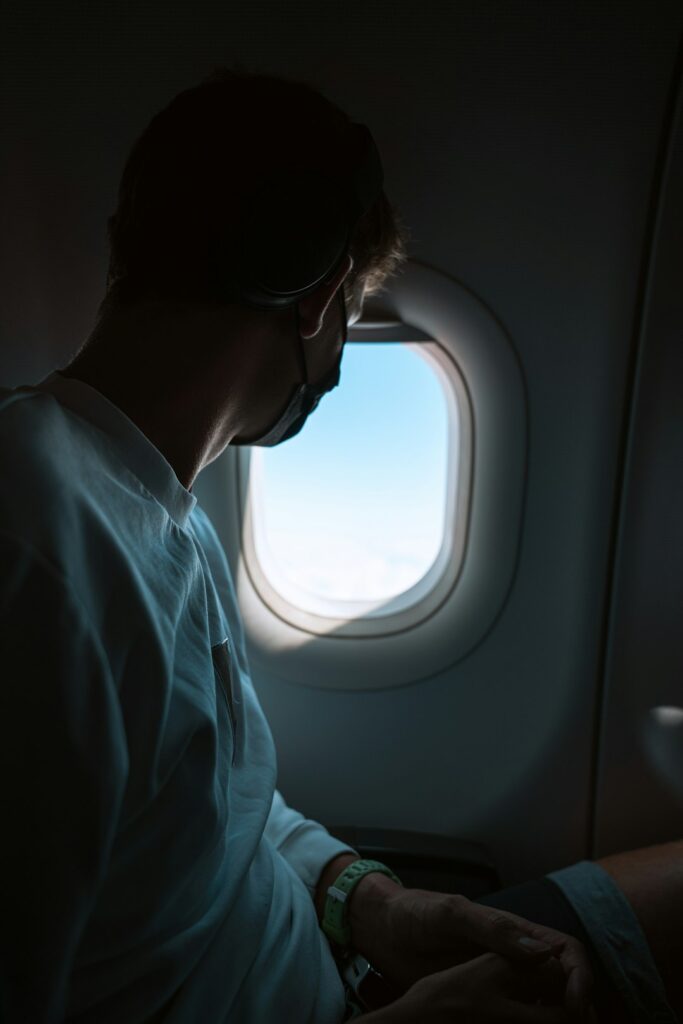
Long-haul flights can leave travelers tired, foggy, restless, or wide awake at the wrong time. The most effective approach is to begin adjusting before departure, use the destination’s schedule during the journey, and manage light exposure carefully after arrival.
What causes jet lag?
Jet lag happens when the body’s internal clock remains aligned with the departure time zone while the traveler is expected to sleep, eat, and stay active according to a new local schedule. It is more likely after crossing several time zones, especially on international flights.
Common symptoms include:
- Difficulty falling asleep or waking too early
- Daytime sleepiness and reduced concentration
- Headaches, irritability, or mild anxiety
- Poor appetite, nausea, constipation, or indigestion
- Feeling alert late at night but exhausted during the day
Jet lag is different from ordinary travel fatigue. A long day, crowded airport, dehydration, or poor sleep can make anyone tired. Jet lag specifically involves a mismatch between the body clock and the local time.
Should travelers change their sleep schedule before departure?
Yes. Shifting sleep gradually before a long-haul flight can make the adjustment less abrupt, particularly for trips crossing several time zones.
For travel east, try moving bedtime and wake-up time earlier by about 30 to 60 minutes each day for several days. For travel west, shift them later. Even a modest adjustment may help, although work schedules, school routines, and family responsibilities can make this difficult.
Avoid sacrificing sleep to begin the adjustment. Arriving already sleep-deprived can worsen jet lag. In the days before departure, aim for a consistent sleep schedule and protect the normal amount of nighttime rest.
For travelers leaving Kansas City, MO during periods of severe winter weather or summer storms, delays can add hours to an already demanding travel day. Building extra time into the itinerary may reduce the temptation to stay awake all night before departure or rush through meals and rest.
What should passengers do during the flight?
Set watches and phones to the destination’s local time soon after boarding. This does not reset the body clock by itself, but it helps guide decisions about meals, sleep, caffeine, and activity.
If it is nighttime at the destination, try to sleep during the flight. An eye mask, earplugs, a supportive neck pillow, and comfortable layers can make rest easier. If it is daytime at the destination, staying awake may help build sleep pressure for that evening.
Because cabin air is dry and long periods of sitting can increase discomfort, drink water regularly and stand or stretch when safe. Avoid treating alcohol as a sleep aid. It may cause drowsiness at first but can fragment sleep and contribute to dehydration. Large, heavy meals may also worsen stomach discomfort.
Caffeine can be useful for alertness, but timing matters. A small amount earlier in the destination’s daytime may help, while caffeine late in the destination’s afternoon or evening can delay sleep.
How does light exposure help reset the body clock?
Light is one of the strongest signals controlling the sleep-wake cycle. The goal is not simply to seek as much light as possible; the timing matters.
After arrival, spend time outdoors during the destination’s daytime, especially when trying to remain awake. Natural light can help the brain recognize that the new schedule is real. A brief walk outside may support adjustment while also reducing stiffness from the flight.
Travelers should avoid bright light when they are trying to sleep. Use a dark, quiet bedroom and reduce bright screens before bedtime. This can be especially helpful for people returning to homes with large windows, bright exterior lighting, or early morning sunlight.
The correct timing of light depends on the direction of travel, the number of time zones crossed, and the planned sleep schedule. Personalized light-timing calculators can be useful for complicated itineraries, but following the destination’s daytime and nighttime routine is a reasonable starting point.

Is it better to sleep immediately after arriving?
Usually, travelers should switch to the local schedule as quickly as practical. If arriving during the day, try to stay awake until a normal local bedtime.
A short nap may be helpful if exhaustion is making it unsafe or impossible to function. Keep it to about 15 to 20 minutes and avoid late-afternoon naps, which can make nighttime sleep more difficult. Sleeping for several hours in the afternoon often reinforces the old time zone.
If arrival occurs at night, keep the routine simple: eat lightly if hungry, dim the lights, avoid alcohol, and go to bed according to local time. Do not panic if sleep is imperfect on the first night. The body often needs several days to adjust.
What should travelers eat and drink?
Small, familiar meals are often easier to tolerate than large meals immediately before, during, or after a long flight. Regular meal timing can also provide another signal that the body has entered a new time zone.
Water is the main beverage to prioritize. Alcohol can interfere with restorative sleep, and excessive caffeine can increase restlessness or make it harder to sleep at the appropriate local time.
Travelers with sensitive digestion may want to pack simple snacks and avoid experimenting with unusually rich or spicy foods during the journey. Once settled, returning to normal meals at local times can help establish a daily rhythm.
Do melatonin or sleeping pills prevent jet lag?
Melatonin may help some travelers when taken at the correct time, but timing and dose matter. Taking it at the wrong point in the body’s cycle may provide little benefit or shift sleep in an unhelpful direction. Products can also vary in strength and quality.
Sleeping pills and other sedating medicines carry risks such as impaired coordination, excessive drowsiness, interactions with other medicines, and dependence. They should not be used casually or combined with alcohol. Anyone considering melatonin or a sleep aid should discuss the option with a healthcare professional, particularly if pregnant, taking prescription medicines, or managing a sleep, mood, liver, or kidney condition.
Jet lag usually improves without medication. Behavioral steps—light, sleep timing, movement, hydration, and controlled naps—are the foundation.
How can travelers recover after returning home?
The return trip deserves the same planning as the outbound journey. Resume the home schedule promptly, seek light at appropriate daytime hours, and avoid long daytime naps. A few nights of consistent sleep usually work better than trying to recover with an all-day sleep session.
If possible, schedule important meetings, driving-intensive days, or strenuous activities after allowing at least a day or two for recovery. This is particularly useful for residents whose trips involve long connections, seasonal time changes, or a return to demanding work and school routines.
Persistent insomnia, severe daytime sleepiness, confusion, breathing problems during sleep, or symptoms that do not improve after several days deserve medical attention. Those problems may reflect something other than ordinary jet lag.