

 See My Latest Article on HelloNation
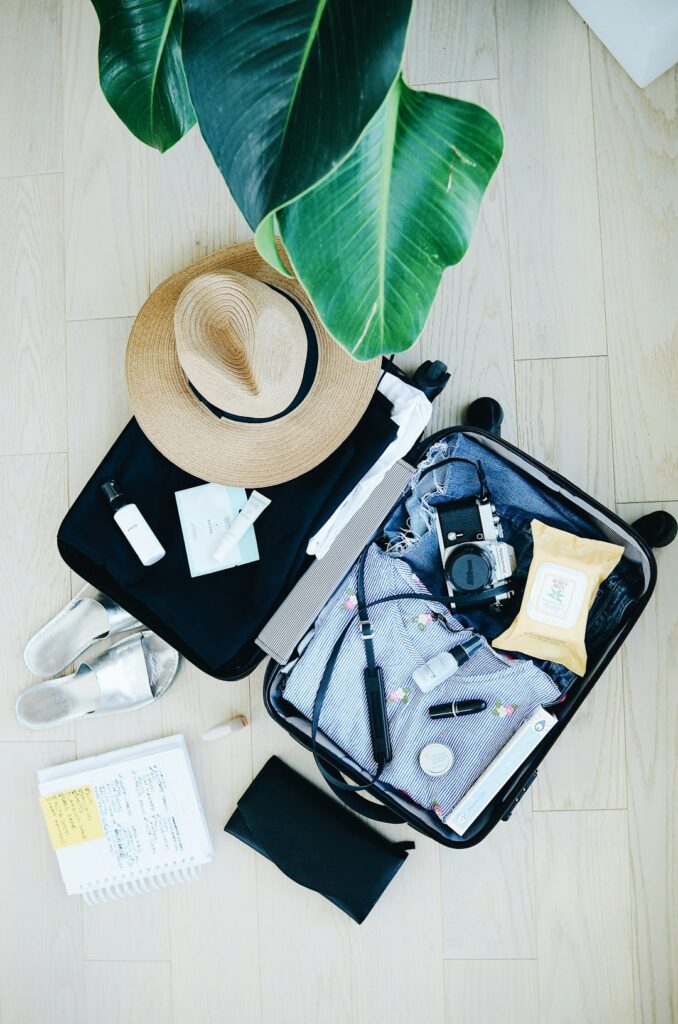
International travel is easier when packing is based on the destination, the length of the trip, and the practical realities of getting through airports and border inspections. For residents of Kansas City, a good packing plan should also account for changing weather, long travel days, seasonal clothing needs, and the possibility of leaving from a colder or warmer climate than the one at the destination.
What documents should go in an international travel bag?
Keep passports, visas, travel confirmations, medication information, and emergency contacts together in an easily accessible personal item. These documents should stay with the traveler rather than in checked luggage.
Before leaving, confirm:
- Passport validity meets the destination’s entry rules
- Blank passport pages are available if required
- A visa, electronic travel authorization, or entry permit is needed
- The name on travel documents matches the reservation
- Travel insurance information is saved offline if purchased
- Copies of important documents are stored securely
A passport that is technically unexpired may still be unacceptable if the destination requires several months of remaining validity after arrival. Requirements also vary for connecting countries, so travelers should check every country included in the itinerary.
Bring a paper copy of essential information as a backup, but do not carry unnecessary copies of sensitive documents. Digital copies should be stored in a secure account or encrypted device rather than left openly accessible on a phone.
What should go in a carry-on bag?
The carry-on should contain the items needed to manage delays, lost luggage, or an overnight disruption. Pack as though checked bags might arrive later than expected.
Useful carry-on items include:
- Passport and travel documents
- Prescription medication and a basic supply of other essential medicine
- Eyeglasses, contact lenses, and related supplies
- Phone, charging cable, and a portable battery
- One change of clothes and basic toiletries
- Small snacks that comply with security rules
- A reusable empty water bottle
- Earplugs, an eye mask, and a light layer
- Copies of prescriptions and medical details
- A pen for arrival forms, if required
Prescription medication should remain in its original labeled container when practical. Travelers should also check whether a medication that is legal at home is restricted at the destination. This is especially relevant for controlled medications, sleep aids, strong pain relievers, and some treatments containing stimulant or sedative ingredients.
Avoid placing irreplaceable items, cash, jewelry, or essential medication in checked luggage.
How much clothing is enough for an international trip?
Pack for the activities and laundry opportunities rather than assigning one outfit to every day. For many trips, a week of clothing can be enough even when the itinerary is longer, particularly if lightweight items can be washed during the journey.
A practical clothing plan may include:
- Two or three versatile bottoms
- Several shirts that can be layered
- Underwear and socks for each day, plus a small reserve
- One comfortable outfit for travel
- A light sweater, jacket, or overshirt
- Sleepwear
- Comfortable walking shoes
- One more polished outfit if needed
- Weather-specific items such as rain protection or warm layers
Neutral, interchangeable clothing reduces the total number of pieces. Quick-drying fabrics can be useful, but comfort and modesty should come first. Pack at least one outfit suitable for local customs, religious sites, formal settings, or places that require covered shoulders, knees, or heads.
Residents of Kansas City may leave home in cool conditions and arrive somewhere hot, humid, or rainy. Wear the bulkiest shoes and outer layer during transit when possible, and keep a compact change of clothes in the carry-on.
What toiletries and health items should be packed?
Travel-size toiletries are usually sufficient for the first part of a trip, even when accommodations provide some supplies. Place liquids, gels, and creams in a clear, accessible bag for airport screening.
Consider packing:
- Toothbrush and toothpaste
- Deodorant
- Skin moisturizer and lip balm
- Sunscreen
- Basic first-aid supplies
- Hand sanitizer or cleansing wipes
- Insect repellent when appropriate
- Personal hygiene products
- Pain reliever and stomach remedies
- Any needed medical devices or supplies
Do not assume that familiar products will be available at the destination or labeled in a familiar language. At the same time, avoid bringing an oversized supply of ordinary toiletries unless a medical need requires it.
A small health kit is helpful, but it should not become a collection of unnecessary medicines. Travelers with allergies or chronic conditions should carry written information about those conditions and know the generic names of their medications.
What electronics and adapters are necessary?
Bring only the electronics that serve a clear purpose. A phone, charging cable, and suitable power adapter are usually more useful than multiple devices.
Before departure, determine:
- Whether the destination uses a different outlet shape
- Whether the device supports the destination’s electrical voltage
- Whether a plug adapter or voltage converter is needed
- How mobile service will work outside the United States
- Whether important maps, translation tools, reservations, and tickets are available offline

A plug adapter changes the shape of the connection but does not necessarily change electrical voltage. Hair dryers, heated styling tools, and other high-wattage appliances can be particularly troublesome abroad. Confirm compatibility before packing them.
Download boarding information, lodging details, maps, and translation resources before leaving Kansas City. Offline access is useful when airport Wi-Fi is unreliable, mobile service has not connected, or a traveler is trying to conserve data.
How should money and valuables be handled?
Use more than one way to access funds, but avoid carrying large amounts of cash. Keep a primary payment card separate from a backup card, and store emergency funds in a secure location.
A sensible arrangement includes:
- One payment method in a personal wallet
- A backup card stored separately
- A small amount of destination currency if needed
- A secure digital record of card contact information
- A plan for notifying financial institutions about international use
Do not pack expensive jewelry or sentimental items unless they are necessary. Valuables attract attention, create insurance concerns, and can make ordinary travel more stressful.
A money belt is not essential for every trip, but travelers should use secure pockets or bags in crowded areas and avoid placing wallets in open outer compartments.
What should not be packed?
Some items create problems at security checkpoints, customs inspections, or the destination’s border controls. Restrictions differ by country, so travelers should verify rules before packing food, plants, animal products, weapons, CBD or cannabis products, and large quantities of medication.
Avoid packing:
- Fresh food unless clearly permitted
- Unlabeled pills or loose medication
- Knives or prohibited tools in carry-on luggage
- Valuable items in checked bags
- Full-size liquids when a smaller container is sufficient
- Clothing that does not suit the destination’s cultural expectations
- Too many “just in case” items that add weight without solving a likely problem
A common misconception is that an item allowed through domestic travel will automatically be allowed internationally. Entry rules may be stricter at the destination, even if the item passed departure screening.
How can packing account for Kansas City weather?
Seasonal conditions at home can affect the trip’s first and last travel days. Winter departures may require a coat, gloves, and sturdy shoes, while summer travel can involve heat, thunderstorms, and sudden changes in airport or aircraft temperature.
Use a layering strategy rather than packing one heavy outfit. A compact rain shell, comfortable walking shoes, and a light layer are often more useful than multiple specialized garments. If leaving a vehicle at home or using outdoor transportation, keep travel documents and electronics protected from moisture and temperature extremes.
For longer trips, leave space for a small amount of shopping or replacement necessities. Overpacking at departure makes transfers, stairs, public transportation, and luggage storage more difficult.
What is the final packing check?
The day before departure, review the itinerary and physically confirm the essentials rather than relying on memory.
Check that:
- The passport is in the personal bag
- Medication is accessible
- Devices are charged
- Required adapters are packed
- Travel documents are available offline
- Checked luggage is identifiable without displaying private information
- The bag can be lifted and moved comfortably
- Weather at both the departure point and destination has been reviewed
The goal is not to pack for every possible problem. It is to keep important documents, medicine, communication tools, and adaptable clothing close at hand while limiting unnecessary weight.